Schools are often at the heart of their communities, and many already dedicate time each year to fundraising for local charities—bake sales, non-uniform days, sponsored events, and more. While these activities are valuable, they are only one part of what schools can offer. In fact, some of the most meaningful and long-lasting relationships between schools and charities happen when the partnership extends far beyond raising money.
When pupils work directly with charity teams, understand the issues they tackle, and see the impact they make, the experience becomes far more powerful than simply collecting donations. Schools can become true community partners—helping charities reach new audiences, sharing skills, creating long-term projects, and shaping compassionate, socially aware young people.
This article explores how schools can support local charities in deeper and more sustainable ways, with real examples and ideas that can work for primary and secondary settings alike.
Building Awareness and Understanding
One of the simplest yet most impactful ways schools can support charities is by raising awareness. Charities often struggle to reach families, especially in busy local communities. Schools, on the other hand, communicate with hundreds of parents every week.
Some schools invite local charity representatives to assemblies or PSHE lessons to talk about the challenges they address—whether that’s homelessness, food poverty, mental health, or environmental work. These sessions help pupils understand why the charity exists and how their work makes a difference. For example, a school in Liverpool worked closely with The Whitechapel Centre, a homelessness charity, which regularly delivered morning talks to pupils. Over time, pupils built a deeper understanding of how homelessness affects real people, and the charity reported greater visibility in the local community thanks to the school’s support.
Schools can reinforce this awareness by using their newsletters, social media, and community boards to share updates from partner charities—highlighting volunteer opportunities, upcoming events, or seasonal campaigns. Articles such as Simple Ways Schools Can Improve Parent Communication can help staff consider how to integrate these messages more effectively.
Sharing Knowledge, Spaces, and Skills
Charities often rely heavily on volunteers and community spaces, and this is where schools can make a significant difference. School halls, classrooms, libraries, and outdoor areas can be a lifeline for local charities that do not have dedicated venues. One primary school in Bristol offered its hall free of charge once a week to a small literacy charity supporting adults with reading difficulties. The charity used the space for tutoring sessions, saving thousands of pounds per year in venue fees and expanding its reach significantly.
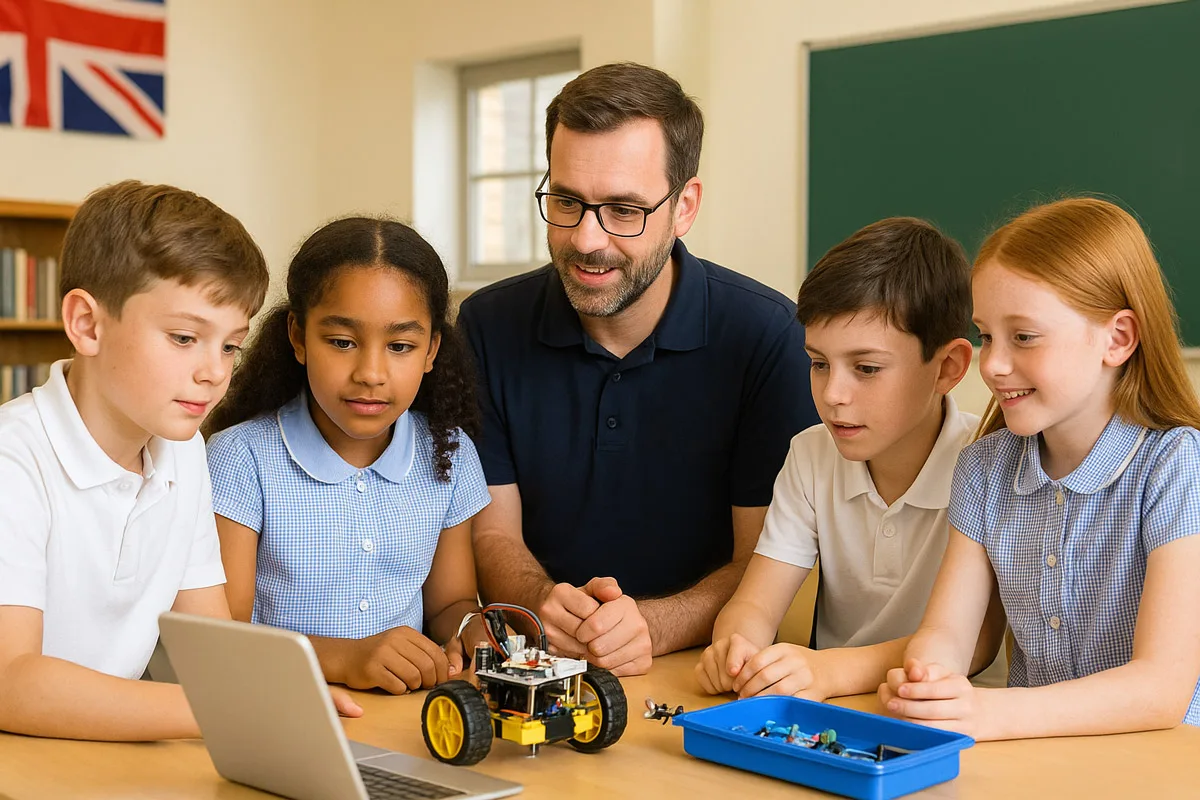
The sharing of skills can be just as valuable. Many schools have talented staff who can support charities with practical expertise—from IT teams helping a local group set up new software, to art or media teachers assisting with posters, photography, or short videos. Some secondary schools even encourage pupils taking media or design courses to produce promotional content for charities as part of their coursework. This gives students a real-world project while allowing the charity to access high-quality creative work they would otherwise struggle to afford.
Universities have long run projects like this, but more secondary schools are now recognising how powerful it can be in developing confidence, employability skills, and community values in young people.
Supporting Charity Programmes in School
Many charities run educational programmes that can be delivered directly in schools. These sessions can cover everything from health and wellbeing to environmental issues or youth mentoring. When schools host these programmes, the charity benefits from access to new audiences, and pupils benefit from expertise that teachers may not always have time to cover in depth.
For example, Mind, one of the UK’s leading mental health charities, has collaborated with schools to deliver practical wellbeing workshops for pupils and staff (https://www.mind.org.uk). These partnerships help children understand mental health in an age-appropriate way, while giving staff fresh resources and strategies that they can use over time.
Similarly, local animal rescue charities often run visits to schools where children can learn about caring for animals, understanding empathy, and supporting the welfare of pets in their communities. These sessions often lead to ongoing relationships—such as pupils designing posters, writing stories, or helping collect essential blankets or supplies—not just money.
Schools that already use strategies for supporting pupil focus or wellbeing, such as the advice in Improving Focus in the Classroom, often find that charity-led workshops tie in perfectly with wider learning goals.
Creating Long-Term Projects Instead of One-Off Events
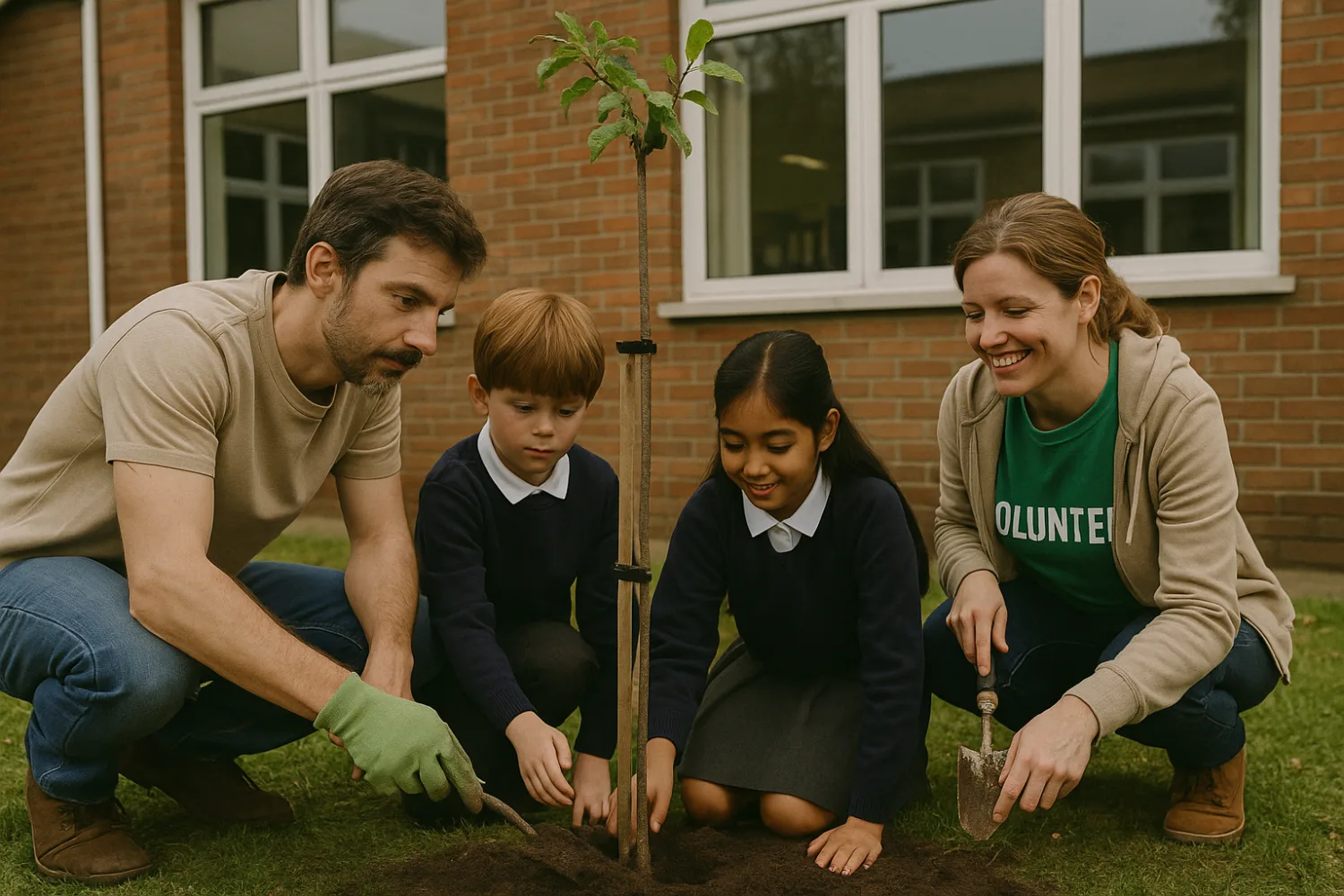
The most successful school–charity partnerships often grow into long-term projects that evolve each year. One school in Nottingham developed a multi-year environmental project with a local conservation group, beginning with simple tree-planting activities and eventually expanding into a student-led biodiversity campaign that reached local businesses and residents. What started as a one-day visit turned into one of the school’s signature community initiatives.
Another example comes from a secondary school in Birmingham that partnered with a local food bank. Rather than only collecting items at Christmas, the school created a “Community Pantry Ambassadors” programme where a group of pupils worked with food bank staff each term, helping sort donations, designing practical guides for families, and running awareness campaigns in the school. Some Year 11 students even visited the food bank as part of their citizenship curriculum, helping them understand how poverty affects families in their area.
These ongoing projects tend to create stronger emotional connections for pupils. Instead of “raising money for charity,” pupils begin to see themselves as part of the solution—supporting real people, with real problems, in their own community.
Strengthening Citizenship, Character, and Leadership
Supporting charities beyond fundraising offers benefits far beyond the charities themselves. It helps schools meet wider educational aims around citizenship, character development, and community engagement. Pupils learn empathy by hearing real stories, resilience by taking on long-term projects, and leadership through organising activities and working with adults outside the school.
Some schools include charity work as part of their leadership pathways—appointing Charity Ambassadors, Eco Leaders, or Social Action Teams. These roles help pupils develop responsibility and give them a structured voice in shaping the partnership. It also encourages pupils from different year groups to work together on meaningful tasks.
These experiences often become memorable highlights in pupils’ school journeys. Many young people reflect on these projects when writing personal statements, applying for apprenticeships, or interviewing for college places because they demonstrate teamwork, initiative, and a genuine commitment to the community.
Helping Charities Reach More Families
Schools also provide charities with access to families who may need support but might not otherwise know where to turn. For example, some schools work with local family support charities to share leaflets discreetly with parents, run information coffee mornings, or host drop-in sessions. This creates a safe, familiar environment for families to seek help.
A school in London partnered with a domestic abuse support charity to offer quarterly information sessions for parents. The school didn’t run the sessions itself but simply provided space, communication channels, and logistical support. This small act made a significant difference, ensuring more families had access to essential services.
Becoming a Central Part of the Local Charity Network
When schools consistently support charities beyond fundraising, they often become key partners within the local community. Charities invite them to events, involve them in campaigns, and collaborate on early intervention work. Over time, pupils grow up with a stronger sense of belonging and social responsibility, understanding that they can make a positive impact in the world around them.
For charities, having a supportive school nearby can transform their outreach efforts, especially smaller groups with limited budgets. Schools act as multipliers—amplifying their work, offering stability, and creating opportunities that would otherwise never exist.
A More Connected Community, One Partnership at a Time
Supporting local charities beyond fundraising is not only possible—it’s often easier than it looks. A partnership can begin with a simple conversation, a shared idea, or a single event, and grow naturally from there. Whether your school shares space, skills, awareness, or long-term collaboration, these efforts create ripple effects across the whole community.
When pupils see their school working actively with local charities, they learn that community involvement is not something reserved for adults or special occasions. It becomes part of everyday life—a normal, valued part of being a responsible citizen.
By building these deeper, more meaningful partnerships, schools strengthen not only the charities they support but the fabric of their entire community.